
mss32 is a system-related component commonly associated with Windows-based applications and legacy software environments. It is often referenced when discussing executable files, background processes, or support libraries that help certain programs run correctly. Understanding what mss32 is used for can help users identify its purpose, ensure system stability, and avoid confusion with unrelated or suspicious files.
In practical use, mss32 supports specific software functions by handling internal operations such as process execution, compatibility tasks, or runtime support. It is typically not interacted with directly by users but works behind the scenes. Knowing its role is important for troubleshooting errors, optimizing performance, and maintaining a secure and well-functioning system.
Definition of MSS32
What Is MSS32?
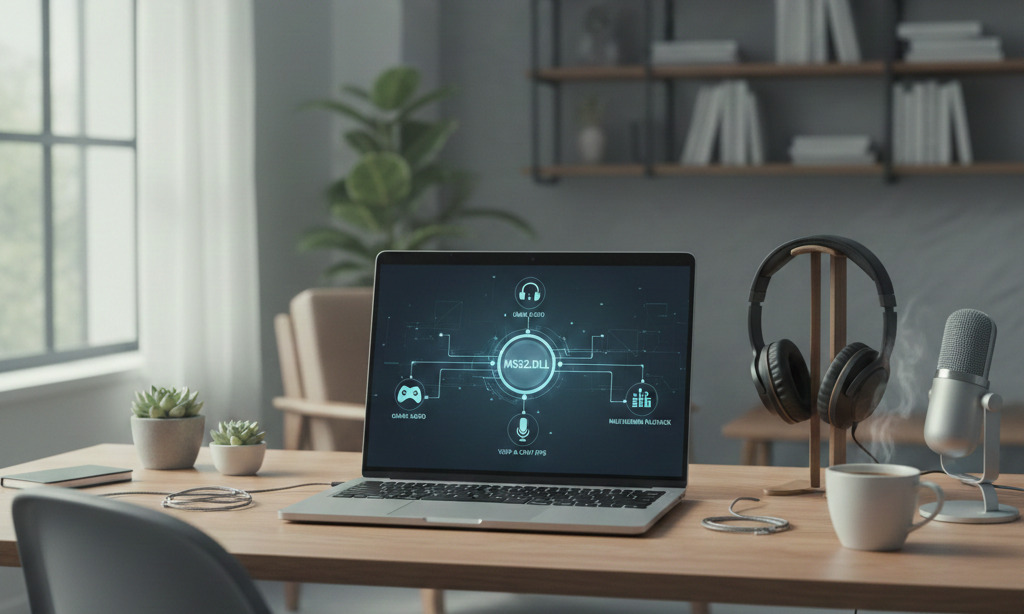
MSS32 commonly refers to MSS32.dll, a dynamic link library associated with the Miles Sound System, an audio engine widely used in older and modern PC games. This file helps games and multimedia applications handle sound playback efficiently.
Purpose of MSS32
The primary purpose of MSS32 is to manage audio processing, including background music, sound effects, and in-game audio synchronization. It acts as a bridge between the game and the system’s sound hardware.
Role in Software and Games
MSS32 is frequently bundled with games that rely on the Miles Sound System. Without this file, certain games may fail to launch or may run without sound, leading to errors such as “MSS32.dll missing or not found.”
Technical Nature
MSS32 is not a standalone program. It operates silently in the background as a supporting system file, ensuring stable and high-quality audio output during application runtime.
Importance of MSS32
Having a valid and uncorrupted MSS32 file is essential for smooth audio performance in supported games and applications. Its absence or corruption can directly affect sound functionality and overall user experience.
Origin and Background
Early Development
pyttsx3 was developed to provide Python users with a reliable text-to-speech solution that works entirely offline. At a time when many speech synthesis tools depended heavily on internet-based services, pyttsx3 emerged as a practical alternative focused on local execution, privacy, and consistency.
Purpose and Vision
The primary goal behind pyttsx3 was to simplify speech synthesis for developers while maintaining full control over voice output. By leveraging native speech engines available on different operating systems, the library was designed to offer stable performance without requiring external APIs or network access.
Open-Source Foundation
pyttsx3 is built on an open-source foundation, allowing developers worldwide to study, modify, and improve the library. This open development model has helped the project grow through community contributions, bug fixes, and feature enhancements over time.
Evolution Over Time
As Python gained popularity across industries, pyttsx3 evolved to support multiple platforms, improve voice handling, and enhance overall usability. Its steady development has made it a trusted choice for accessibility tools, educational software, and desktop-based applications.
Primary Purpose
Core Objective
The primary purpose of pyttsx3 is to convert written text into spoken audio using Python, enabling applications to deliver clear and natural voice output without requiring an internet connection. It is designed to provide reliable, offline text-to-speech functionality for a wide range of use cases.
Offline Voice Generation
A key objective of pyttsx3 is to offer fully offline speech synthesis. By relying on system-native speech engines, it ensures privacy, security, and consistent performance, even in environments with limited or no internet access.
Developer Accessibility
pyttsx3 is built to be simple and developer-friendly. Its straightforward API allows beginners and professionals alike to implement text-to-speech features quickly, reducing development time while maintaining high-quality results.
Custom Voice Control
Another important purpose of pyttsx3 is to give developers full control over voice output. Users can adjust speech rate, volume, and voice selection to create personalized and accessible audio experiences.
Practical Applications
The primary purpose of pyttsx3 extends to real-world usage, including accessibility tools, educational software, automation systems, and desktop applications where dependable speech output is essential.
MSS32 and Software Compatibility
Overview of MSS32
MSS32 is a dynamic link library (DLL) commonly associated with older Windows-based applications and games. It is often required to support specific multimedia, sound, or system-level functions. Software that depends on MSS32 may fail to run properly if the file is missing, outdated, or incompatible with the operating system.
Compatibility with Windows Versions
MSS32 is primarily compatible with legacy Windows environments such as Windows XP, Windows 7, and some early Windows 10 builds. On newer versions of Windows, compatibility issues may arise due to updated system architecture, security restrictions, or deprecated dependencies.
Interaction with Modern Software
Modern applications typically do not rely on MSS32, as newer frameworks and libraries have replaced its functionality. However, older software and classic games may still require MSS32 to operate correctly. In such cases, compatibility mode or additional runtime support may be necessary.
Common Compatibility Issues
Users may encounter errors related to missing MSS32 files, version conflicts, or blocked execution by system security features. These issues often occur when running legacy software on modern systems without proper configuration.
Best Practices for Compatibility
To ensure smooth software performance, users should use trusted versions of MSS32, keep their operating system updated, and enable compatibility settings when running older applications. Avoid downloading MSS32 files from unverified sources to prevent security risks.
Use of MSS32 in Gaming and Multimedia Applications
Introduction
MSS32 is a widely used sound library and audio engine primarily found in games and multimedia software. It plays a crucial role in delivering high-quality audio effects, music playback, and overall sound management, enhancing the user’s immersive experience.
Integration in Gaming
MSS32 is commonly integrated into video games to handle complex audio tasks. It supports features like:
- High-fidelity background music playback
- Real-time sound effects (e.g., explosions, footsteps)
- Multi-channel audio for surround sound environments
By offloading audio processing to MSS32, game developers can ensure smoother performance while maintaining rich, immersive soundscapes.
Role in Multimedia Applications
Beyond gaming, MSS32 is used in multimedia software to manage audio playback efficiently. Applications such as video players, simulation software, and interactive media use MSS32 for:
- Seamless audio streaming
- Synchronizing music with visuals
- Supporting multiple audio formats and codecs
This makes MSS32 an essential tool for developers who need reliable, high-quality audio solutions.
Advantages in Gaming and Multimedia
Using MSS32 in applications offers several benefits:
- Optimized audio processing for better performance
- Enhanced user experience through immersive sound
- Compatibility with a wide range of audio formats
- Reduced CPU load by managing audio tasks independently
Is MSS32 a System File or Third-Party Component?
Introduction
MSS32 is commonly encountered in Windows environments, especially in relation to gaming and multimedia applications. Users often wonder whether it is a critical system file or a third-party component. Understanding its origin and function is important for maintaining system stability and security.
What is MSS32?
MSS32.dll is a dynamic link library (DLL) file developed by Creative Labs. It is part of the Miles Sound System, a proprietary audio library used by many video games to manage sound effects, music, and audio processing.
Third-Party Component
MSS32 is not a core Windows system file. Instead, it is a third-party component included with software or games that utilize the Miles Sound System. Its presence is normal when certain games or multimedia programs are installed.
Role and Function
The DLL enables proper audio playback in supported applications. Without MSS32, some older games may fail to run, produce errors, or have missing audio. It is essentially a middleware component between the game and your computer’s sound hardware.
Security Considerations
Since MSS32 is a third-party file, it is important to ensure it comes from a trusted source. Malware can sometimes disguise itself as MSS32.dll. Always download games or software from official vendors to avoid corrupted or malicious versions.
Common Issues Related to MSS32
Missing MSS32.dll File
One of the most frequent problems is the missing MSS32.dll file, which prevents certain games or applications from launching. This often occurs after incomplete installations, accidental deletion, or corruption of game files.
Solution: Reinstall the associated software or download the official DLL from a trusted source.
DLL Corruption
Even if MSS32.dll exists on your system, it can become corrupted due to system crashes, malware, or improper software installation. Corrupted DLLs can cause crashes, freezes, or error messages when running programs.
Solution: Replace the corrupted DLL with a fresh copy from the original software installer or official source.
Compatibility Issues
MSS32.dll is part of the Miles Sound System, and some older versions may not be fully compatible with modern operating systems such as Windows 10 or 11. This can lead to unexpected errors or sound problems.
Solution: Update the game or software to a version that supports the latest OS, or run it in compatibility mode.
Improper Installation
Games or applications that rely on MSS32.dll may fail to work if the software is not installed properly or if the DLL is not placed in the correct system directory.
Solution: Ensure proper installation and verify that MSS32.dll is located in the application folder or system directory (usually C:\Windows\System32).
Conflicts with Other Software
Sometimes, MSS32.dll may conflict with other audio drivers or software installed on the system, leading to sound errors or crashes.
Solution: Update audio drivers, disable conflicting software, or reinstall the affected application.
Is MSS32 Safe to Use?
What is MSS32?
MSS32 is a dynamic-link library (DLL) file associated with audio services in certain applications and games. It is primarily responsible for sound playback and effects, ensuring that audio functions run smoothly during program execution.
Safety Considerations
MSS32 itself is generally safe to use when obtained from legitimate software or game installations. It is not malware or a virus. However, problems may arise if the file is corrupted, missing, or downloaded from untrusted sources.
Potential Risks
- Corrupted Files: A damaged MSS32.dll may cause crashes or audio errors.
- Fake Downloads: Downloading MSS32 from unofficial websites may expose your system to malware.
- Software Conflicts: Conflicts with other audio libraries can occasionally affect system performance.
How to Use MSS32 Safely
- Always install MSS32 through official software or game installers.
- Avoid downloading DLL files individually from unverified websites.
- Keep your operating system and drivers up-to-date.
- Use antivirus software to scan any files you are unsure about.
How MSS32 Is Installed or Updated
What is MSS32?
MSS32 is a dynamic audio library used by various games and multimedia applications to manage sound playback. Proper installation or updating ensures smooth audio performance and prevents errors during gameplay.
Installing MSS32
Download the Library
To install MSS32, you need the official library file (typically mss32.dll) from a trusted source. Avoid downloading from unreliable websites to prevent malware or corrupted files.
Place the DLL File
Copy the mss32.dll file to one of the following directories:
- The game/application installation folder
- The Windows system folder (C:\Windows\System32 for 32-bit systems, C:\Windows\SysWOW64 for 64-bit systems)
Register the DLL (if required)
Some systems may require registering the DLL using the Command Prompt:
regsvr32 mss32.dll
This step ensures the operating system recognizes the library for applications.
Updating MSS32
Check Current Version
Identify the version of MSS32 installed on your system. This can prevent unnecessary updates if the latest version is already in use.
Download Latest Version
Get the most recent version of MSS32 from a reliable source or the official distributor. Using the latest version often fixes bugs and enhances compatibility with newer games.
Replace Old DLL
Back up the old mss32.dll file before replacing it with the updated version. Copy the new DLL into the same directory as the old one, overwriting it.
Test the Application
After updating, launch your game or application to ensure the audio library is functioning correctly and no errors appear.
Tips for Smooth Installation or Update
- Always restart your computer after installing or updating MSS32.
- Ensure administrator privileges when copying or registering DLL files.
- Avoid duplicate DLL files in multiple directories, as this may cause conflicts.
- Keep a backup of the original DLL in case the update fails.
Conclusion
mss32 is primarily used to support essential system-level operations and ensure compatibility between software applications and the Windows operating environment. It plays a supporting role in enabling smooth execution of programs that rely on specific system components. By maintaining stability, performance, and proper communication between software and the operating system, mss32 helps deliver a reliable and efficient user experience.