
mss32 is a name that often raises questions among users who encounter it while managing software or system processes on Windows. Many people are unsure whether mss32 is a legitimate system file required for smooth operating performance or a standalone software tool linked to a specific application. This uncertainty usually appears when users notice the file during installation, troubleshooting, or security scans.
Understanding whether mss32 functions as a system component or a software-related file is important for system stability and security. Knowing its origin, purpose, and behavior helps users decide if it should be trusted, updated, or removed, ensuring better control over system performance and safety.
Understanding System Files
What Are System Files?
System files are essential files used by an operating system to function properly. They control core processes such as startup, hardware communication, memory management, and user interface operations. Without these files, an operating system cannot run or maintain stability.
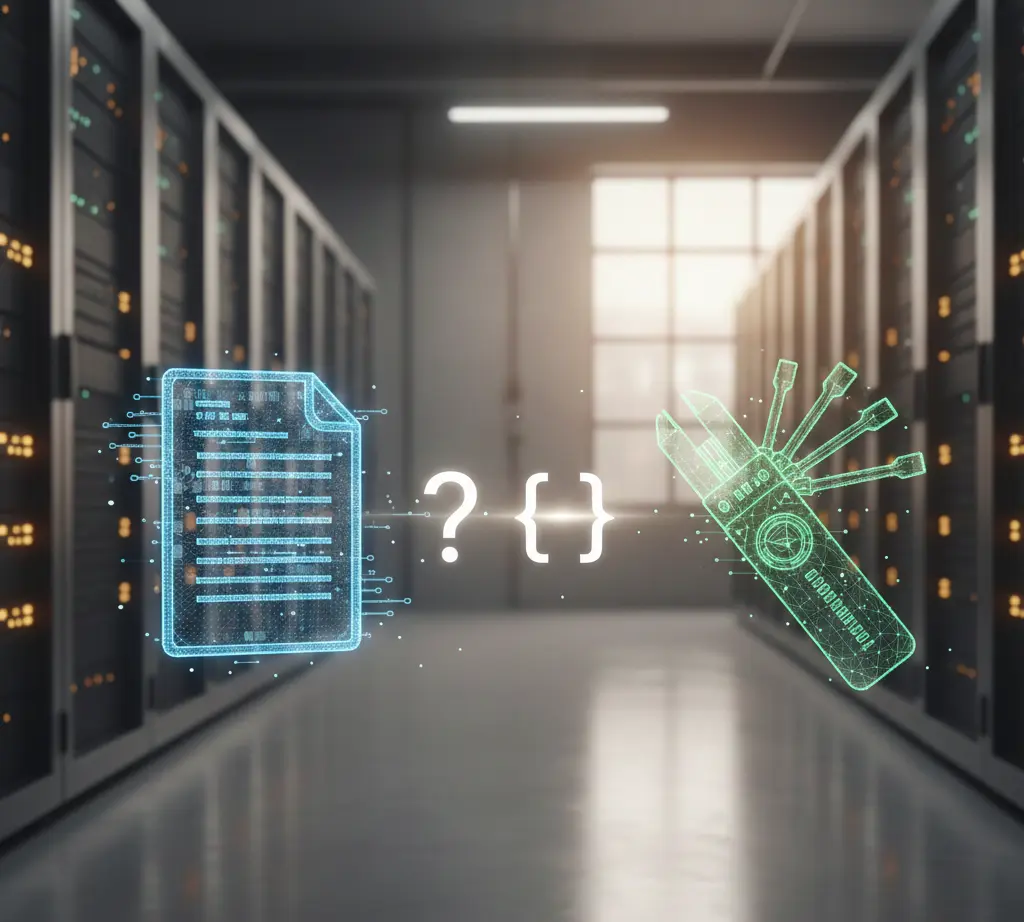
Purpose of System Files
The primary purpose of system files is to ensure smooth interaction between software and hardware. They manage background services, execute system-level commands, and support installed applications. System files operate silently in the background to maintain performance and reliability.
Common Types of System Files
System files come in various formats depending on the operating system. Common examples include DLL files, SYS files, configuration files, and executable system components. Each type plays a specific role, such as device control, system configuration, or service execution.
Location of System Files
System files are usually stored in protected directories such as system folders. These locations are restricted to prevent accidental deletion or modification, which could lead to system errors or crashes.
Importance of Protection
Protecting system files is critical for system security and stability. Unauthorized changes or corruption can cause performance issues, application failures, or system instability. Modern operating systems use permissions and integrity checks to safeguard these files.
System Files vs User Files
Unlike user files such as documents or media, system files are not meant to be edited or accessed by regular users. User files store personal data, while system files ensure the operating system functions correctly.
When System Files Get Damaged
System files can become damaged due to malware, improper shutdowns, failed updates, or disk errors. When this happens, users may experience crashes, error messages, or slow performance.
Maintenance and Recovery
Operating systems provide built-in tools to scan and repair system files. These tools help restore corrupted files and maintain overall system health without requiring advanced technical knowledge.
What Is a Software Tool?
Definition
A software tool is a computer program or application designed to help users perform specific tasks efficiently. These tools are created to simplify work, automate processes, and improve productivity across various fields such as development, design, business, education, and communication.
Purpose of a Software Tool
The main purpose of a software tool is to make complex or repetitive tasks easier to manage. Instead of performing tasks manually, users rely on software tools to save time, reduce errors, and achieve consistent results. Software tools are essential for both personal and professional use.
Types of Software Tools
Software tools come in many forms, including development tools, productivity tools, multimedia tools, security tools, and system utilities. Each type is designed for a specific function, such as coding, file management, data analysis, or system optimization.
How Software Tools Work
Software tools operate by following predefined instructions written in programming languages. They interact with the operating system and hardware to execute commands, process data, and produce desired outputs for the user.
Importance of Software Tools
Software tools play a crucial role in modern digital environments. They enhance efficiency, support innovation, and enable users to complete tasks that would otherwise be time-consuming or technically challenging.
Origin of mss32
What Is mss32?
mss32 is commonly identified as a Windows-related file name that appears in system directories or software environments. In most cases, it is associated with legacy system components, third-party utilities, or application-specific modules rather than being a core Windows file officially documented by Microsoft.
Historical Background
The origin of mss32 dates back to an era when many Windows applications relied on 32-bit system architecture. During this time, developers often used naming conventions like “32” to indicate compatibility with 32-bit systems. Files such as mss32 were typically created to support background processes, media handling, system interaction, or custom software functions.
Association With Software Tools
Unlike standard Windows system files (such as kernel32.dll), mss32 is usually introduced by external software or bundled tools. It may be installed alongside specific programs to perform dedicated tasks, such as data handling, communication support, or auxiliary system operations required by that software.
System Placement and Usage
mss32 is often found in program-specific folders rather than critical Windows system paths. This placement indicates that its origin is tied to software installation packages instead of the operating system itself. Its behavior and purpose can vary depending on the application that created it.
Evolution and Relevance
As modern systems have shifted toward 64-bit architecture and improved security standards, files like mss32 have become less common. However, they may still appear in older applications or legacy environments where backward compatibility is required.
Is mss32 Part of Windows OS?
Introduction
The question “Is mss32 part of Windows OS?” is commonly asked by users who notice the file name while troubleshooting software or system-related issues. Understanding whether mss32 is a genuine Windows component or a third-party file is important for system safety and performance.
What is mss32?
mss32 is not a standard or officially documented core file of the Windows operating system. Unlike well-known Windows system files such as kernel32.dll or explorer.exe, mss32 does not appear in Microsoft’s official list of essential OS components.
Is mss32 included in Windows by Default?
No, mss32 is not included in Windows by default. A clean installation of Windows does not install or rely on any file or process named mss32. If the file appears on a system, it is usually introduced by third-party software, custom applications, or external installers.
Why Does mss32 Appear on Some Systems?
mss32 may appear due to:
- Installation of third-party programs or tools
- Custom-built software using non-standard file naming
- Legacy applications or modified installers
In some cases, files with unfamiliar names may also be associated with unwanted or suspicious software, which is why verification is important.
Is mss32 Safe?
The safety of mss32 depends entirely on its source. If it was installed by trusted software, it may be harmless. However, if its origin is unknown or it appears unexpectedly, users should scan the file with updated security software and verify its location and behavior.
Common Uses of mss32
Audio Playback in Games
mss32.dll is widely known for its role in handling audio playback for many computer games. It enables sound effects, background music, and in-game audio cues, providing a seamless gaming experience.
Multimedia Applications
Apart from gaming, mss32.dll is used in various multimedia applications that require sound processing. It helps in playing audio files, managing audio streams, and integrating sound into software programs.
Support for MIDI Files
mss32.dll often provides support for MIDI (Musical Instrument Digital Interface) files. This is particularly useful in games and applications that use MIDI for background music or interactive sound effects.
Enhancing Audio Performance
By using mss32.dll, applications can optimize sound playback quality and reduce audio glitches or delays, ensuring smoother performance for both developers and end-users.
Integration with Legacy Software
Many older software programs rely on mss32.dll for their audio systems. Its presence allows legacy applications to function properly on modern Windows systems without audio errors.
File Location and Identification
Understanding File Location
File location refers to the exact path where a file is stored on a computer or device. Knowing the file location is crucial for accessing, managing, and troubleshooting files efficiently. A file location includes information such as the drive, folder structure, and filename.
Example:
C:\Users\John\Documents\example.txt
- C: → Drive
- Users\John\Documents → Folder path
- example.txt → Filename
Importance of File Identification
File identification involves recognizing a file based on its name, extension, size, and type. Identifying files correctly ensures that you are accessing the intended document or software component, especially in cases where multiple files have similar names.
Key Elements for File Identification:
- File Name: Unique identifier given by the user or system.
- File Extension: Indicates file type, e.g., .txt, .exe, .mp3.
- File Size: Helps differentiate between versions or copies.
- Creation/Modification Date: Provides information about file history.
Locating Files on Different Systems
- Windows: Use File Explorer to navigate drives and folders.
- MacOS: Use Finder to locate files using folders or search.
- Linux: Use terminal commands like ls, find, or file manager applications.
Best Practices for File Management
- Use meaningful file names for easy identification.
- Organize files into structured folders.
- Keep track of file versions and modifications.
- Use search tools when exact file locations are unknown.
Legitimate vs Suspicious Versions
Introduction
When downloading or using software like pyttsx3, it’s essential to distinguish between legitimate versions provided by official sources and suspicious versions that may pose security risks. Understanding the difference helps protect your system from malware, data theft, and performance issues.
Legitimate Versions
Legitimate versions are official releases of the software distributed by trusted sources, such as the original developers or verified repositories. For pyttsx3, legitimate versions are available through:
- Official GitHub repository
- Python Package Index (PyPI)
- Trusted documentation or developer websites
Key Features of Legitimate Versions:
- Fully functional and stable
- Free from malware or hidden code
- Proper version control and updates
- Supported by the developer community
Suspicious Versions
Suspicious versions are unauthorized or modified copies of the software. These may be found on unofficial websites, forums, or torrent platforms. Using these versions can compromise your system and personal data.
Risks of Suspicious Versions:
- May contain viruses, trojans, or spyware
- Unstable or incomplete features
- Lack of official support or updates
- Can cause compatibility issues with other software
How to Identify Legitimate Versions
- Check the source – always download from official or trusted platforms.
- Verify digital signatures or hashes if provided.
- Read reviews or community feedback before downloading.
- Avoid sites offering “cracked” or “premium” versions for free.
Impact on System Performance
Overview
The impact on system performance refers to how a software application, process, or library affects the speed, responsiveness, and overall efficiency of a computer system. Understanding this impact is essential for developers and users to ensure smooth operation without causing system slowdowns or instability.
CPU Usage
One of the primary factors affecting performance is CPU utilization. Applications that require high processing power can slow down other running processes. For lightweight libraries like pyttsx3, CPU usage is generally minimal, making it suitable even for older or lower-end systems.
Memory Consumption
Memory usage plays a critical role in system performance. Programs that consume excessive RAM can cause the system to lag or freeze. pyttsx3 is designed to be memory-efficient, only allocating resources when converting text to speech, which reduces the risk of system strain.
Disk and Storage Impact
Some software requires significant disk read/write operations or temporary storage, affecting system speed. pyttsx3 operates primarily in memory and does not perform heavy disk operations unless saving audio files, which keeps storage impact minimal.
Multitasking and Responsiveness
Software that heavily taxes system resources can reduce multitasking efficiency. Since pyttsx3 runs efficiently in the background, it allows users to continue using other applications without noticeable lag or interruptions.
Optimization Tips
- Adjust speech rate and chunk text to minimize processing overhead.
- Use only necessary voice properties to reduce resource consumption.
- Monitor system performance when running pyttsx3 alongside other resource-intensive programs.
Is mss32 Safe to Remove?
What is mss32?
mss32.dll is a dynamic link library (DLL) file associated with audio processing in many Windows-based games and software applications. It is part of the Miles Sound System, which handles sound playback, music, and audio effects for games and multimedia programs.
Why Users Consider Removing It
Some users may notice mss32.dll errors, high system resource usage, or the file appearing in unusual locations. This can prompt concerns about whether the file is safe to keep or if removing it might improve system performance.
Risks of Removing mss32.dll
- Game or software crashes: Many programs rely on mss32.dll for audio functionality. Removing it can prevent affected games or applications from launching.
- System instability: While it is not a core Windows system file, deleting it improperly can lead to unexpected errors in dependent software.
- Potential data loss in apps: Applications that use this DLL may fail to save audio-related settings correctly.
When Removal May Be Safe
- If mss32.dll is confirmed to be malicious or corrupted (detected by antivirus or security tools).
- If the associated software is no longer installed and you are certain no programs rely on the DLL.
Recommended Action
Instead of deleting mss32.dll:
- Run a virus/malware scan to ensure it’s not compromised.
- Update or reinstall the software or game that uses mss32.dll to replace a corrupted version.
- Backup the DLL before removal if necessary.
Conclusion
In conclusion, mss32 is better understood as a software-related file rather than a core Windows system component. It is typically associated with specific applications or utilities and is not essential for the operating system’s basic functionality. While it may be required for certain programs to run correctly, users should evaluate its source and usage before modifying or removing it to avoid potential software issues.